Saint Nicholas: where it all began
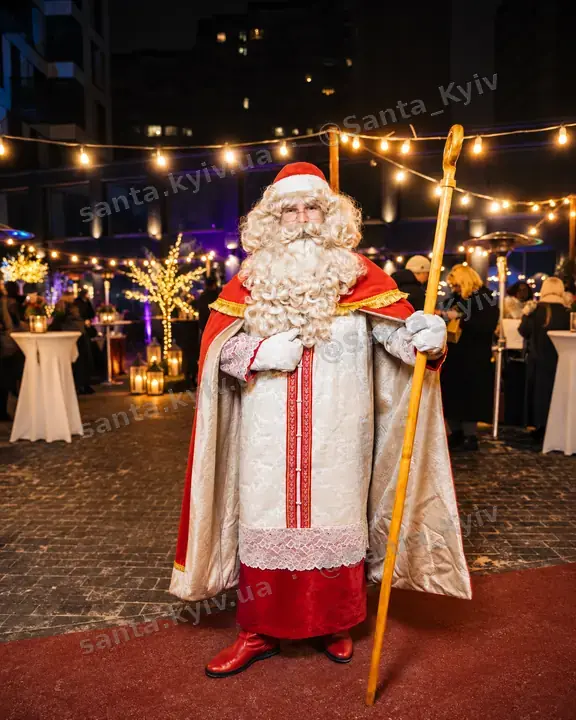
Saint Nicholas was a real person. He lived in the 4th century and was the bishop of Myra, in what is now Turkey. Legends tell how he secretly helped the poor, and above all children. That is why Christian Europe has the custom of leaving presents for children on the night before December 6, his feast day.
In Ukraine this tradition is old. In the morning a present waits under the child's pillow, and a naughty child might find a little switch. We wrote more about the date in our article about Saint Nicholas Day.
How Saint Nicholas became Santa
In the Netherlands Saint Nicholas is called Sinterklaas. Dutch settlers brought the feast to New Amsterdam, today's New York. Their English-speaking neighbours pronounced the name their own way, and that is how "Santa Claus" appeared.
Santa got his modern look in the 19th century. In 1823 Clement Clarke Moore's poem "A Visit from St. Nicholas" was published: in it the old man arrives for the first time on a sleigh pulled by eight reindeer. From 1863 the artist Thomas Nast drew Santa for Harper's Weekly, and his drawings fixed the image of a jolly, round man with a white beard.
So Santa Claus and Saint Nicholas are one story in different clothes. Saint Nicholas is closer to the church tradition, Santa to secular Christmas and New Year.
Where Ded Moroz came from
Frost as a stern old man appears in Slavic fairy tales. But the Ded Moroz our parents remember is a Soviet character with a clear date of birth.
After 1917 the Bolsheviks fought Christmas as a "bourgeois" and religious holiday. In 1929 the holidays were removed from the calendar, and January 1 became an ordinary working day. People put up their trees in secret.
In December 1935 the party official Pavel Postyshev published a letter in the newspaper Pravda proposing to give children back the tree, but as a New Year tree, without Christmas. That same year a decorated tree returned to Kharkiv. In January 1937 Ded Moroz greeted guests for the first time at an official celebration in the House of the Unions in Moscow, following a script written for the whole country. Later he was given a granddaughter, Snegurochka.
That is how Ded Moroz became part of the Soviet New Year: a holiday without Christmas and without saints, which replaced the old winter traditions.
Why we choose Saint Nicholas and Santa
At Santa Kyiv we do not come as Ded Moroz. The reason is simple: he is a character invented to push out Christmas and Saint Nicholas. We do not want to bring him back to children in a country that is now taking back its own calendar.
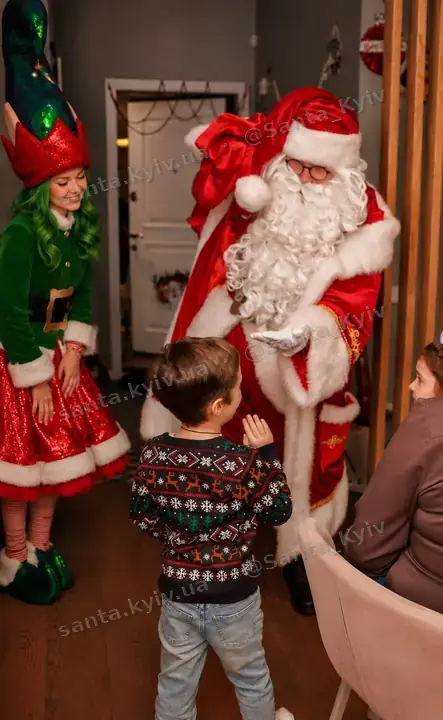
Saint Nicholas is a Ukrainian tradition that our great-grandmothers remember. Santa Claus is the same Saint Nicholas in his European and American version, and children know him from cartoons and books. Both characters bring children the same things: attention, praise for the year and a present.
If a child still waits for Ded Moroz because their grandparents taught them so, that is fine. Santa Claus will easily take his place: he also has a white beard, a red coat and a sack of presents.
Whom to invite for your child
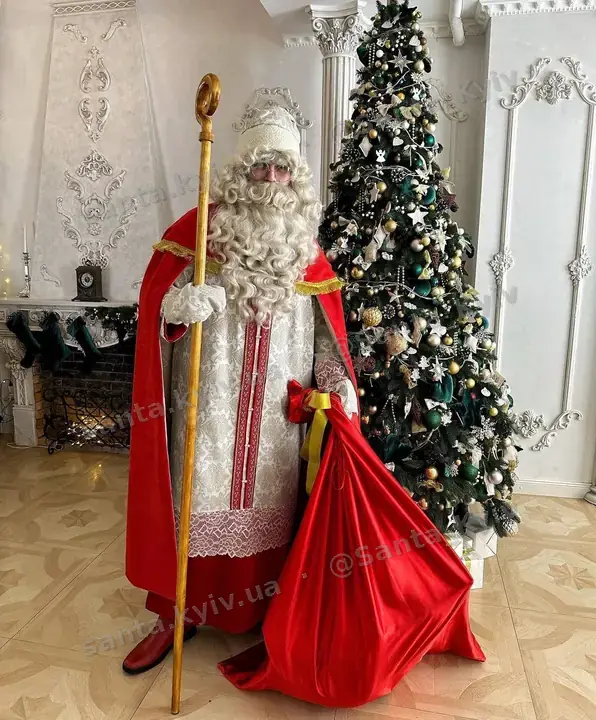
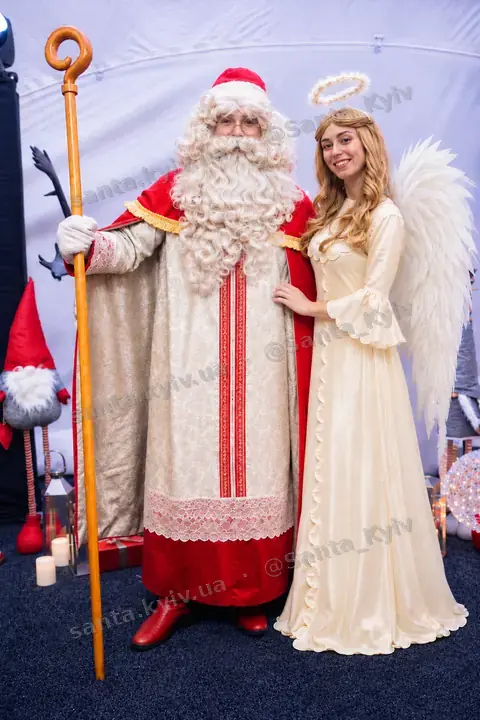
Saint Nicholas and the Angel
A good fit for December 6 or 19, for families where the church tradition matters, and for younger children who like a quieter, fairy-tale celebration.
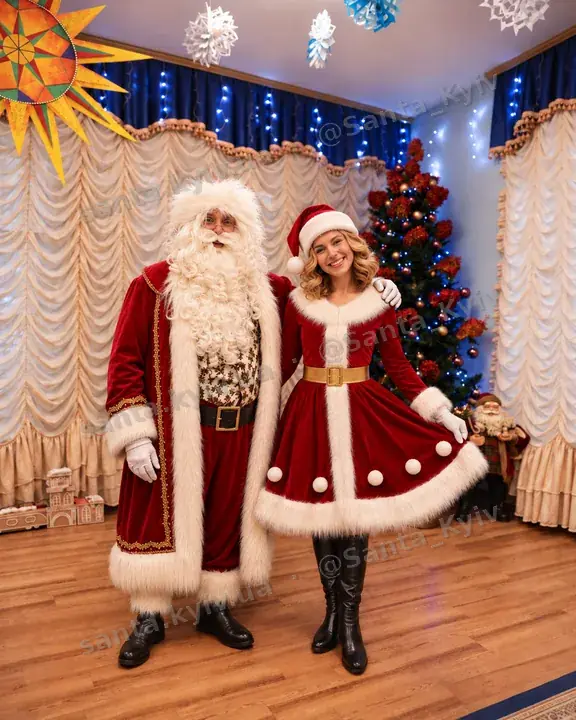
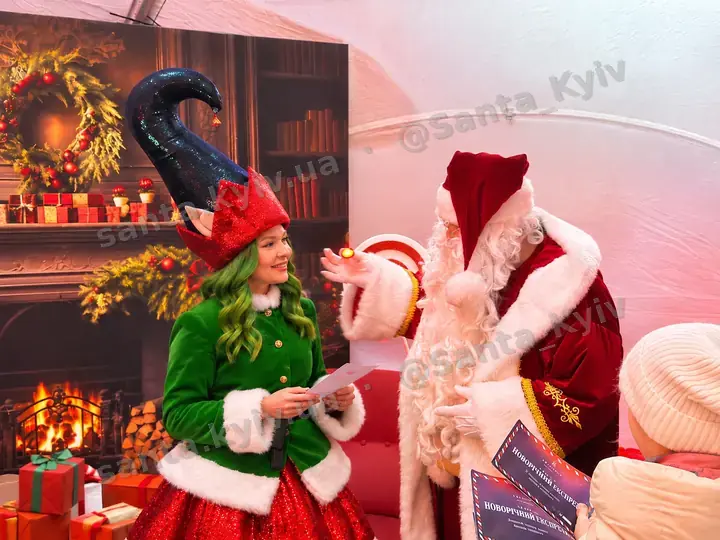
Santa Claus with the Elf or Mrs. Claus
A good fit for the New Year days, for fun games, dances and a flash mob, for kindergartens, schools and corporate parties.
Grinch the Troublemaker
He will try to steal the celebration, but in the end he makes peace with Santa or Saint Nicholas. People choose him when they want more humour and surprises, especially at corporate parties.
Order a visit
Leave a request and we will send you the price within 5 minutes. Book by December 1 and get 30% off a visit on any date.